

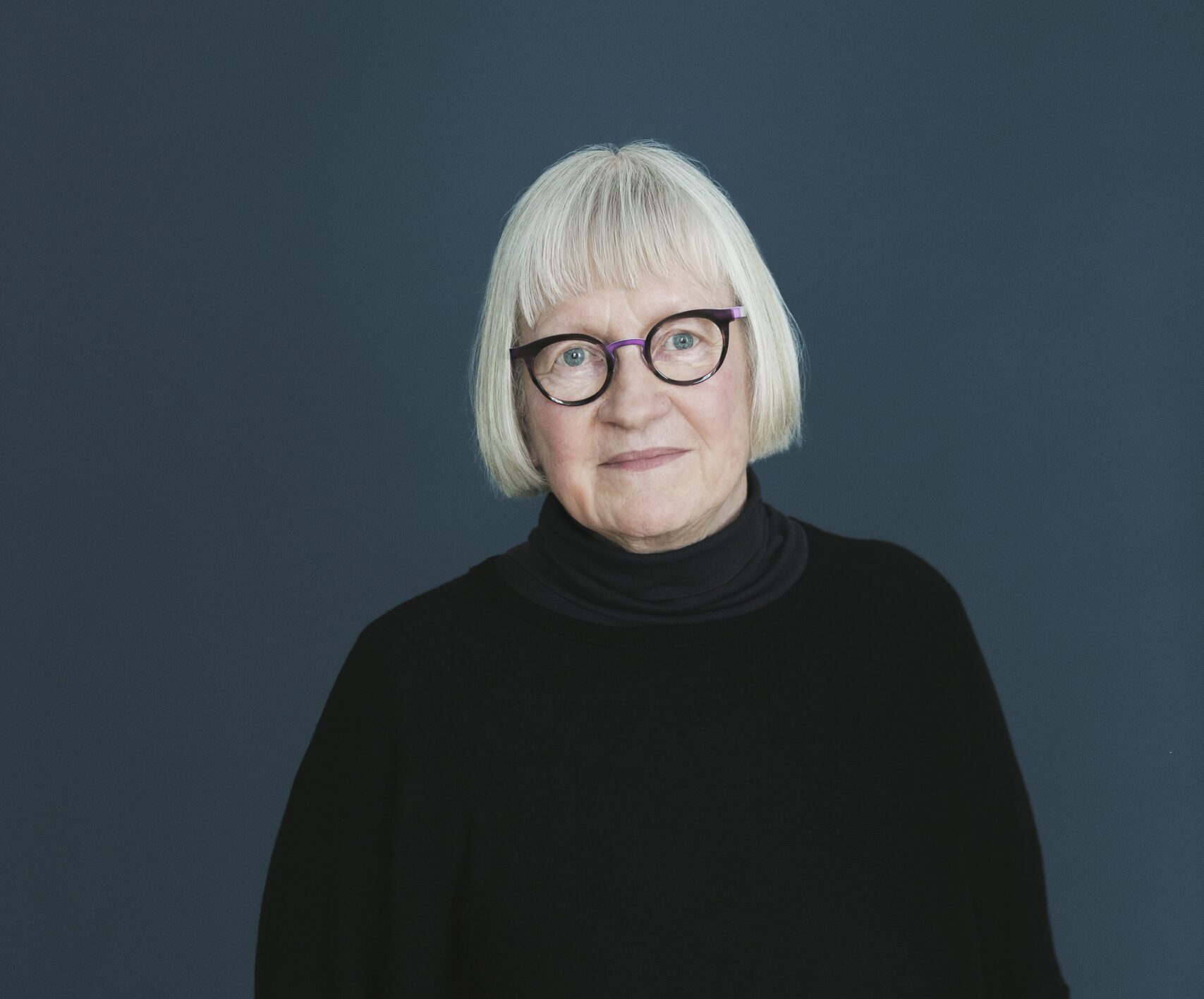
The Work of Inge Shuster
There’s a quiet pull to Inge Schuster’s work. It doesn’t try to overwhelm you—it asks you to slow down. Her images live somewhere between the real and the imagined, in that slightly unfamiliar space where something begins to shift.
Based in Copenhagen, Schuster’s work reflects a sensibility often associated with the city itself—measured, atmospheric, and attentive to subtle change. That same restraint carries through her imagery, where stillness becomes a place to look more closely.
“I’ve always been drawn to that feeling,” she says. “When something is recognizable, but just out of reach. That’s where imagination and memory meet.”
Working with both photography and AI, she treats each as a tool rather than a defining feature. “With photography, I shape the image through editing. With AI, I can begin more openly and then refine,” she explains. “Authorship comes from the choices you make—it’s not the tool, it’s the eye behind it.”
Nature runs quietly through much of her work, even when the environments feel constructed. It acts as an anchor. “It brings a sense of something real and timeless,” she says. “Something that simply exists alongside us.”
That sense of calm carries into her video work, where very little seems to happen at first. But if you stay with it, small moments start to emerge. “A gesture, a pause,” she says. “I hope people stay long enough to notice those things.”
Her process is intuitive, and so is her sense of when a piece is finished. “It’s when it stops asking for more,” she explains. “When nothing needs to be added or taken away.”
Now shown at CAM alongside Surrealist artists like Miró and Magritte, Schuster’s work feels like a natural continuation of that tradition—though she didn’t set out to reference it directly. “The connection happens on its own,” she says. “One image leads to another, and meaning develops along the way.”
If anything, her approach feels quieter than traditional Surrealism. Less about constructing dream worlds, more about letting them surface gradually. “The process is more fluid now,” she says. “It reveals itself over time.”
For artists curious about working with AI, her advice is simple: don’t overthink it. “Start small,” she says. “It’s not about the tools—it’s about what you’re looking for.”
And that seems to be the thread running through all of her work. Not spectacle. Not speed. Just attention.
Which, frankly, feels like something we could all use a little more of.